For many sellers, the value of a professional valuation is not just learning a possible sale price. It is gaining the clarity to decide whether to sell now, prepare for a future move, retain the property as an investment, or make improvements that are likely to matter to buyers. The right answer depends on the home, the neighborhood, and your goals.
What a Free Home Valuation Actually Tells You
An online estimate can be a useful starting point, particularly if you are casually tracking your equity. But automated valuation models work from public records, broad market patterns, and available sales data. They cannot walk through your home, see the quality of a renovation, assess the privacy of a lot, or understand why buyers may pay a premium for one side of a community over another.
A thoughtful valuation is more specific. It considers recent closed sales, active competition, pending contracts when available, neighborhood trends, property condition, and the features buyers are responding to now. It also separates a home's estimated market value from a suggested list price. Those figures are related, but they are not always identical.
A list price is a marketing and negotiation decision. In some situations, a home may be positioned just below a key search threshold to attract more qualified attention. In others, a rare lakefront, luxury, golf-front, or resort-area property may need a more tailored approach because direct comparisons are limited. Pricing is not a formula. It is a strategy supported by evidence.
Why Orlando Values Can Vary So Widely
Orlando is not one uniform housing market. Buyer demand and pricing behavior can differ substantially between established neighborhoods, new-construction communities, downtown-adjacent areas, golf communities, and vacation-home markets around Kissimmee and Reunion.
For a primary residence, buyers may focus on commute time, school options, usable square footage, outdoor living space, and the age of major systems. A renovated kitchen may matter, but so can a practical laundry room, storage, a first-floor bedroom, or a fenced yard. In a move-up market, buyers often compare homes carefully and notice deferred maintenance quickly.
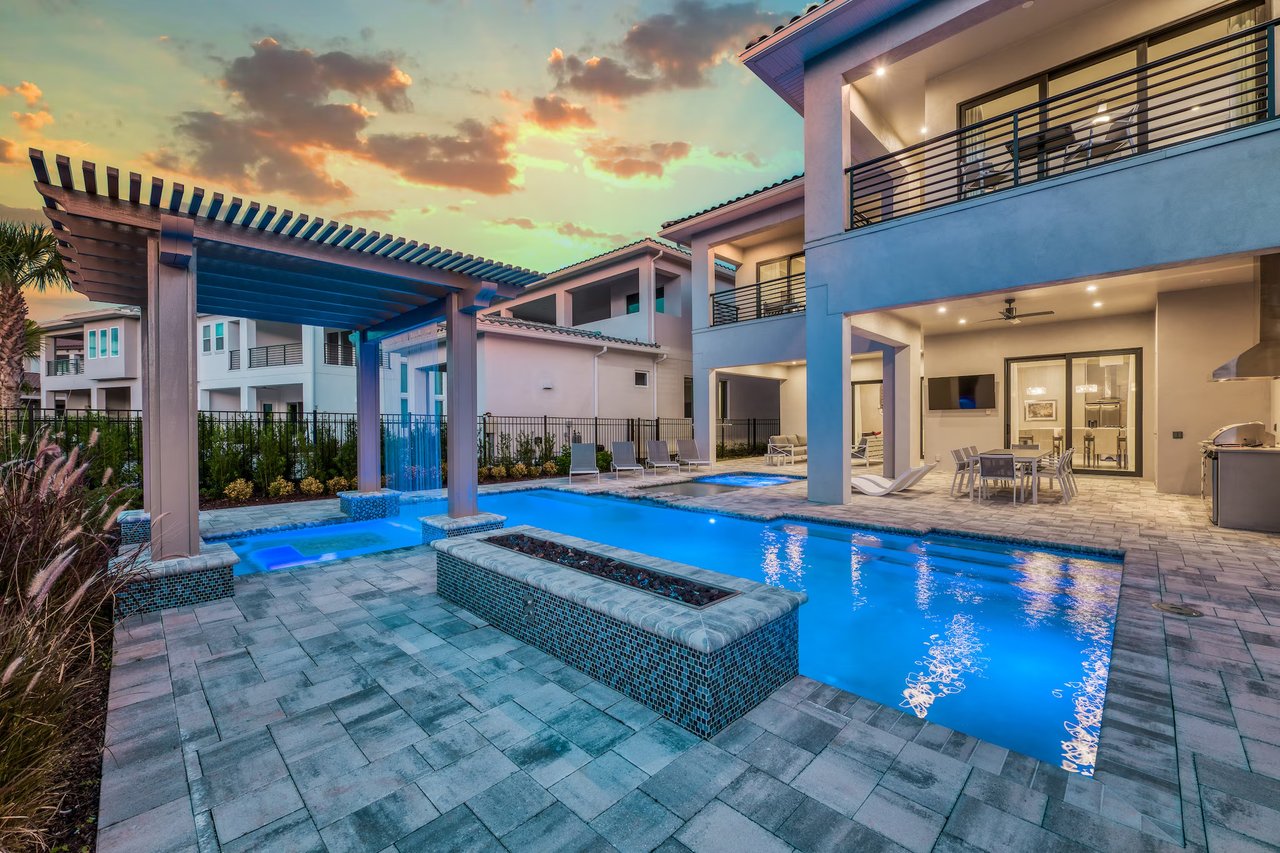
Vacation and resort-area properties require another layer of analysis. Rental history, community restrictions, resort amenities, bedroom count, furnishing quality, booking potential, and management considerations may all influence buyer interest. A home that performs well as a short-term rental does not always price the same way as a comparable primary residence, even within the same ZIP code.
Luxury homes also deserve a more careful valuation process. There may be fewer comparable transactions, and the buyer pool is narrower. Architectural quality, lot orientation, water frontage, privacy, smart-home features, guest accommodations, and lifestyle amenities can carry meaningful weight. The goal is to establish a defensible value while presenting the property in a way that reaches the right audience.
How a Local Valuation Is Built
A reliable free home valuation in Orlando generally begins with the basics: location, property type, living area, lot size, bedroom and bathroom count, year built, and homeowner association information. From there, the details become more important.
Recent closed sales provide evidence of what buyers have actually paid. Active listings reveal the choices buyers see today. Pending properties can offer useful market direction, although final sale terms are not always public. Withdrawn and expired listings may also tell a story about where previous pricing or presentation missed the market.
Condition is where many online estimates fall short. A roof replacement, impact windows, HVAC updates, remodeled baths, a resurfaced pool, premium flooring, or a renovated outdoor kitchen can affect buyer perception and price. So can negative factors such as aging systems, insurance concerns, unusual floor plans, road noise, or visible repair needs. A valuation should acknowledge both sides honestly.
The most useful analysis also identifies the likely buyer. Is the home best suited to a local family, a relocating professional, a retiree, a second-home buyer, or an investor? That answer shapes the comparable sales to emphasize and the marketing story to build.
Price Per Square Foot Is Only One Clue
Price per square foot is often discussed because it is easy to understand. It can be helpful when comparing similar homes in the same area, but it should not be treated as the final answer.
Two properties with the same square footage may have very different values because of layout, finishes, lot quality, age, pool condition, community amenities, or location within the neighborhood. A larger home can even sell for a lower price per square foot while commanding a higher overall price. Context matters more than a single metric.
Preparing for a Valuation Conversation
You do not need to stage the house before requesting a valuation, but accurate information helps produce more useful guidance. If possible, gather a short list of major updates and their approximate dates. Include items such as roofing, plumbing, electrical work, HVAC, windows, pool improvements, renovations, appliances, and additions.
It is also helpful to be clear about your timeline. A seller hoping to list in the next 30 days needs a different pricing and preparation plan than someone considering a move next spring. If you are purchasing another home, relocating from out of state, settling an estate, or deciding whether to keep a property as a rental, say so early. Those circumstances affect the advice you need.
For remote owners, photos, video walkthroughs, repair invoices, and property-management information can fill in many initial gaps. Still, an in-person review is often worthwhile before finalizing a sale strategy. Small details can influence how a property should be positioned and what buyers may question during inspections.
Common Valuation Mistakes to Avoid
The biggest mistake is assuming the highest number is automatically the best number. An overly ambitious price can reduce early interest, extend time on market, and make future price adjustments more difficult. Buyers and their agents watch new listings closely, especially in desirable Orlando communities. The first weeks of exposure matter.
The opposite mistake is pricing too conservatively without considering current demand or the home's distinct advantages. If a property offers something difficult to replace - a superior view, an exceptional lot, a highly upgraded interior, or a sought-after community setting - the analysis should recognize that value.
Another concern is relying on a sale from many months ago without adjusting for current competition and buyer behavior. Markets move. Interest rates, inventory levels, seasonal demand, insurance costs, and new construction can all affect what buyers are willing to pay at a particular moment.
Finally, do not confuse improvements with guaranteed dollar-for-dollar returns. Some upgrades make a home easier to sell and more competitive, even if they do not return their full cost. Others may be highly personal and add less value than expected. Before spending heavily, it is wise to ask which work is likely to improve marketability for your specific property.
Turning Value Into a Selling Plan
Once you understand the likely value range, the next question is how to present the home at its best. That may mean addressing a few visible repairs, improving photography-ready spaces, organizing documents for buyers, or determining whether vacant, occupied, or furnished presentation makes the most sense.
A strong plan also anticipates negotiations. Buyers may request credits, repairs, closing-cost assistance, or flexible timing. Knowing the property's value and your financial priorities before an offer arrives helps you respond calmly rather than react under pressure.
For sellers who are not ready to list, a valuation can still be useful. It creates a baseline you can revisit after improvements, shifts in the market, or a change in your plans. Good real estate guidance should not force a timeline. It should help you make a well-informed decision when the timing is right.
If you would like a more personal view of what your Orlando-area property could command, Matt Dixon can provide local perspective grounded in current data, property-specific details, and the care your next move deserves.